

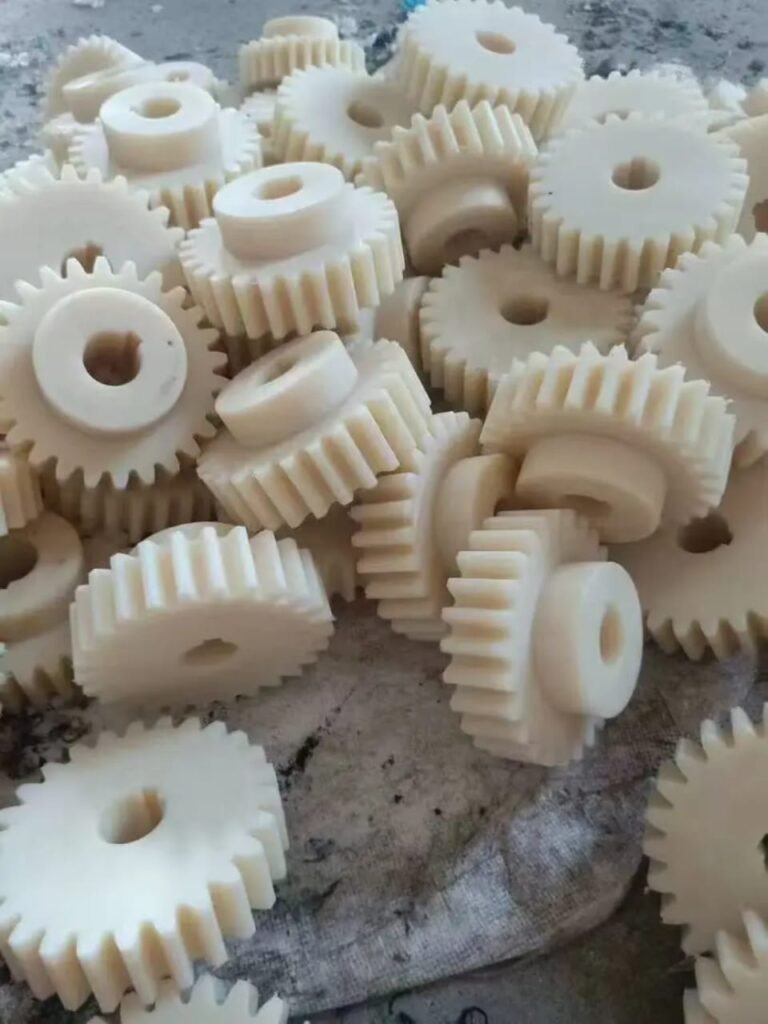
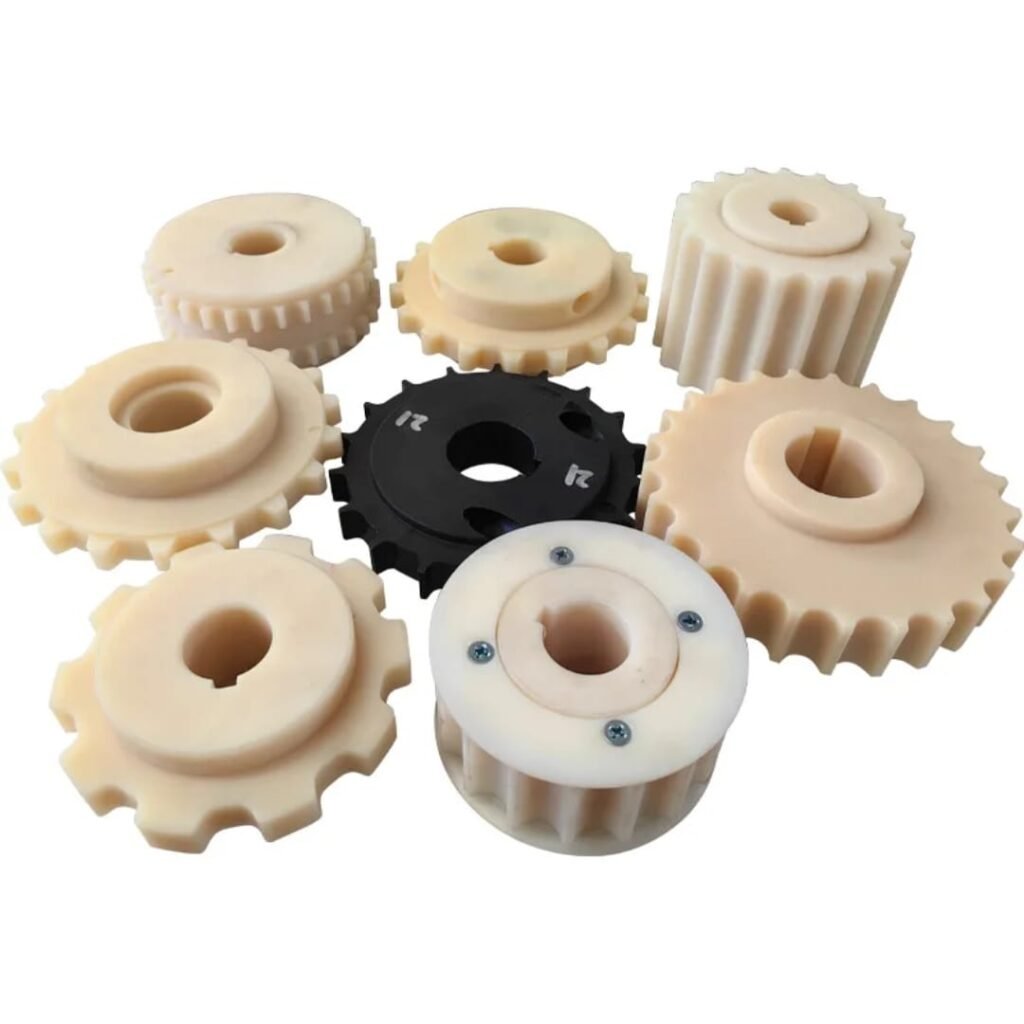
General Properties:
- High Strength and Stiffness:
PA6 offers good tensile and flexural strength, making it suitable for load-bearing applications.
- Toughness:
PA6 is known for its impact resistance and ability to withstand sudden shocks and stress.
- Wear Resistance:
It exhibits good resistance to wear and abrasion, making it suitable for parts that experience friction and rubbing.
- Good Machinability:
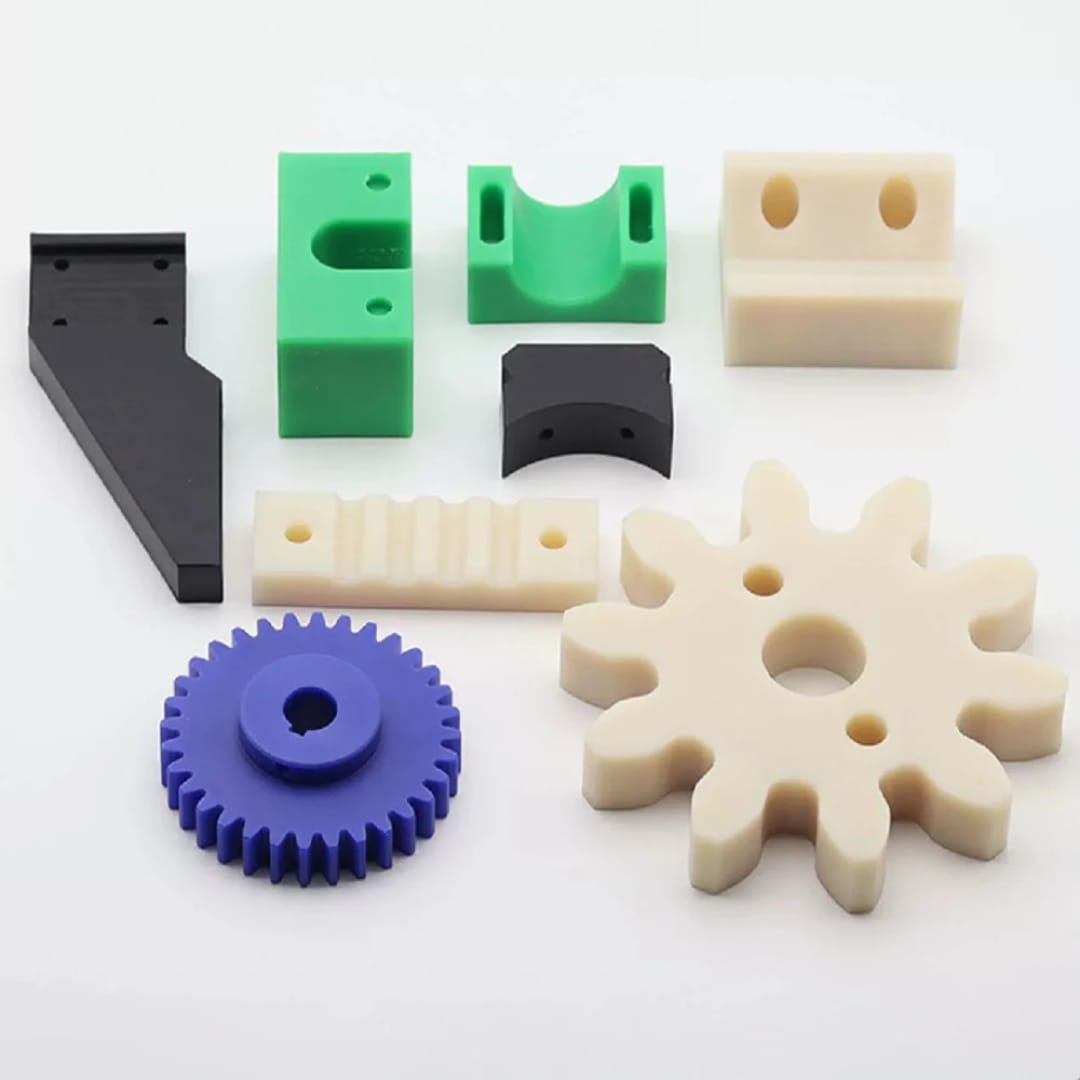
PA6 can be easily machined into various shapes and sizes, making it versatile for different applications.
- Electrical Insulation:
PA6 absorbs moisture, which can lead to dimensional changes and affect its mechanical and electrical performance. It’s important to consider this factor in applications where dimensional stability is critical.
- Poor Acid Resistance:
PA6 has limited resistance to acids and may be affected by prolonged exposure to acidic environments. Specific Properties (Typical Ranges):
- Density: 1.13 – 1.15 g/cm³
- Melting Point: 215 – 225°C
- Tensile Strength: > 60.0 MPa
- Elongation: > 30%
- Flexural Strength: 90.0 MPa
- Notched Impact Strength: > 5 KJ/m² Advantages of PA6:
- High mechanical strength and stiffness: Suitable for load-bearing applications.
- Good impact resistance: Can withstand sudden shocks and stress.
- Excellent wear resistance: Maintains performance in friction and wear environments.
- Good electrical insulation: Suitable for electrical components.
- Good machinability: Can be easily machined.
- Cost-effective for general-purpose applications: According to Nylon.com.tw, PA6 is more cost-effective than PA66 for general-purpose applications.
Disadvantages of PA6:
- Moisture absorption: Can affect dimensional stability and electrical properties.
- Poor acid resistance: Limited resistance to acids.
- Poor lightfastness: May degrade with prolonged exposure to UV light. Applications:
PA6 rods and sheets are widely used in various industries, including:
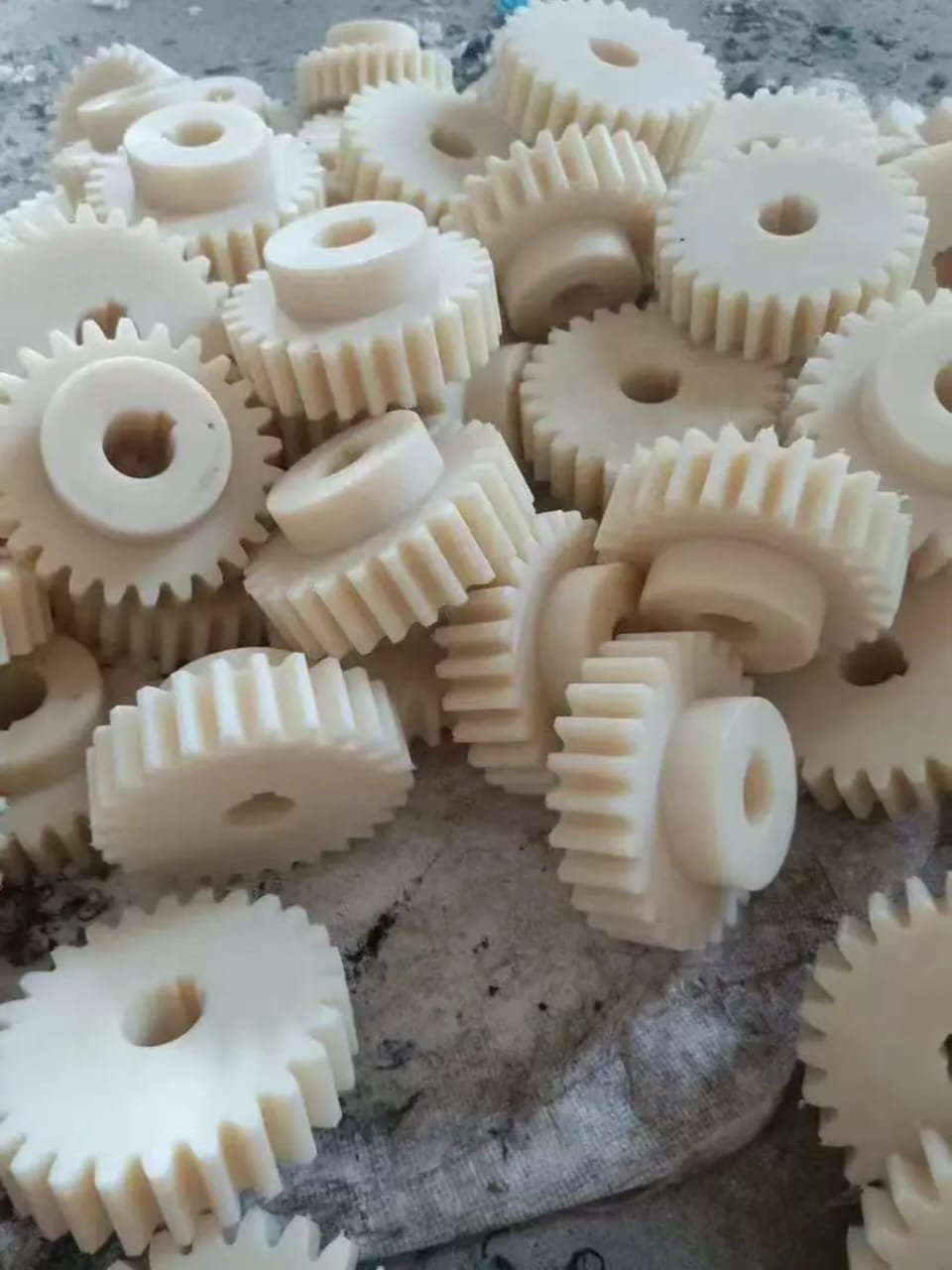
- Automotive: Gears, bearings, bushings, and other components.
- Electrical/Electronics: Connectors, housings, and insulators.
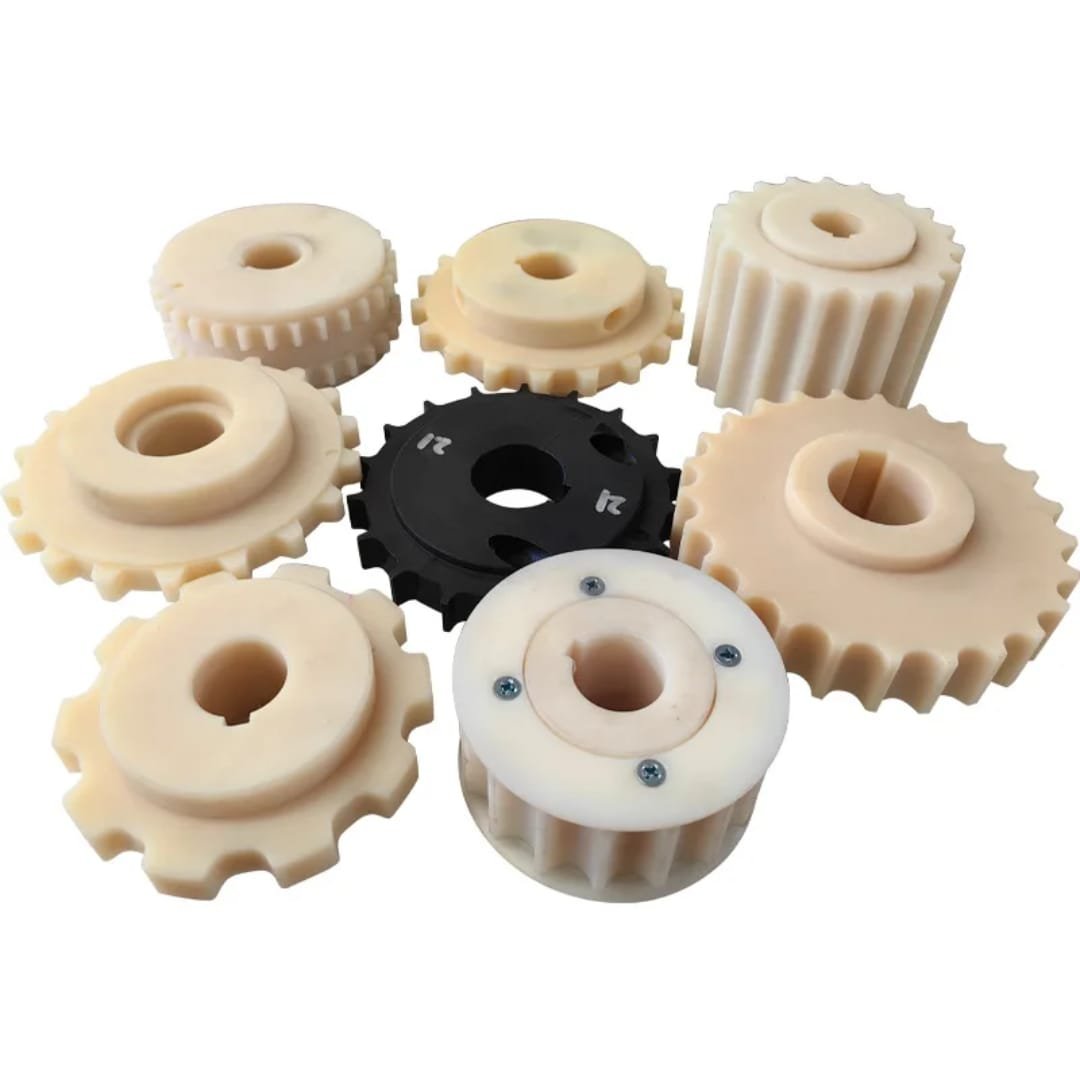
- Industrial: Bearings, rollers, wheels, and conveyor components.
- Consumer Goods: Sporting equipment, tools, and furniture components.